Masterclasses

This online course on tics in children and adolescents provides practical, evidence-based training in the assessment, diagnosis, and management of tic disorders, including complex presentations involving ADHD and autism spectrum conditions (ASD).
Tic disorders are common in child and adolescent mental health settings but are often misidentified or over-treated. This course offers a clear clinical framework to help clinicians accurately recognise tics, differentiate them from stereotypies, compulsions, functional movements, and seizures, and make proportionate management decisions.
The teaching is interactive and case-based, focusing on real-world clinical scenarios rather than theoretical models. Participants will develop confidence in conducting focused assessments, explaining tic disorders clearly to families and schools, and managing symptoms effectively—particularly when ADHD or ASD comorbidity is present.
Designed for clinicians working in neurodevelopmental and CAMHS contexts, this course supports safe, thoughtful, and practical decision-making in everyday clinical practice.
Includes all three live 90-minute sessions:
Assessment & diagnosis of tic disorders
Management and treatment strategies
Tics with ADHD and ASD comorbidity
✔ 4.5 hours total teaching
✔ Live interactive sessions
✔ Recordings included
Focus on recognising tics and conducting accurate, efficient assessments.
Practical strategies for managing tics in clinical settings.
Advanced case-based exploration of complex neurodevelopmental presentations.
Clinically grounded and practical
Focused on real-world assessment and management of tic disorders, not abstract theory.
Case-based learning throughout
Interactive discussion of realistic presentations, including diagnostic uncertainty and comorbidity.
Designed for complexity
Explicit focus on tic disorders alongside ADHD and autism, reflecting everyday CAMHS and paediatric practice.
Flexible attendance options
Attend individual sessions or complete the full course, depending on your learning needs and availability.
By the end of this course, participants will be able to:
Recognise and differentiate tic disorders in children and adolescents, distinguishing them from stereotypies, compulsions, functional movements, and seizures.
Conduct a focused, developmentally informed assessment and apply diagnostic criteria appropriately to tic disorders, including Tourette syndrome.
Make proportionate, evidence-based management decisions, including psychoeducation, behavioural strategies, and medication where indicated.
Manage tic disorders in the context of ADHD and autism spectrum conditions, prioritising treatment targets and communicating clearly with families and schools.

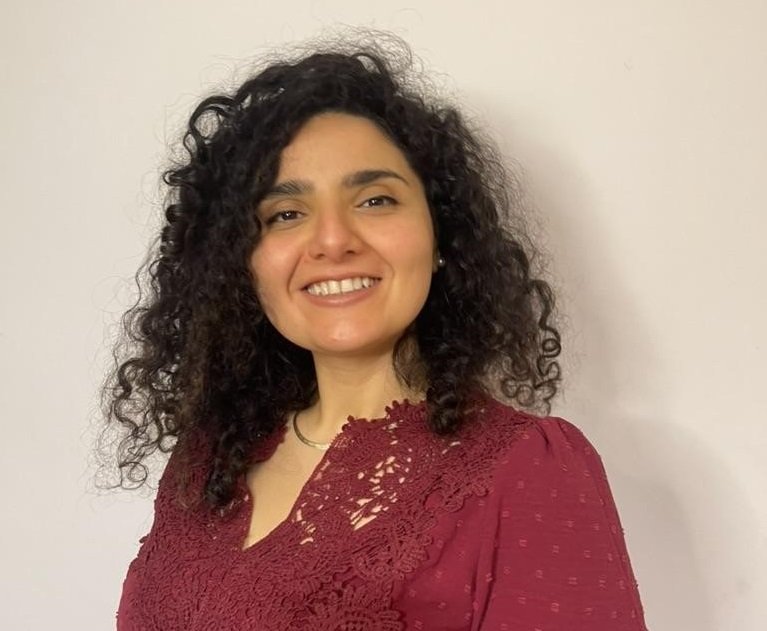
Dr. Taghrid Tahoun, MbBCH , MRCPsych , Msc, PGCert Ed – Founder & Lead Educator, ThynkHOUSE
Dr Taghrid Tahoun (MB BCh, MSc, MRCPsych) is a Consultant Child and Adolescent Psychiatrist working across the NHS and the private sector in the UK. She is an accredited Clinical Supervisor and Educational Supervisor, involved in the training and development of junior doctors and non-medical prescribers. She is the Academic Programme Lead for the North West of England Child and Adolescent Psychiatry Specialty Training Programme.
With over a decade of clinical experience Dr Tahoun specialises in the diagnosis and management of complex neurodevelopmental and mental health conditions in children and adolescents. She currently leads the ADHD pathway in Burnley and Pendle areas with the Lancashire and South Cumbria Foundation Trust . She leads service redesign initiatives to improve access and efficiency in ADHD care. She has a special interest in neuropsychiatric illnesses in children and young people.
An experienced educator and content creator, Dr Tahoun is also the voice behind Your Friendly Child Psychiatrist, a podcast dedicated to demystifying child mental health for early-career professionals and families.
Known for her engaging, case-based teaching style, Dr Tahoun delivers high-impact CPD that bridges clinical evidence with practical application. Her sessions are dynamic, interactive, and grounded in real-world challenges faced by clinicians.
We use cookies to improve site performance and understand how our website is used. With your consent, we may collect analytics data such as pages visited and interactions on this site. You can accept or reject non-essential cookies at any time. Rejecting optional cookies will not affect core site functionality.